

Is your pool leaking or just evaporating?
A dropping water level isn’t always a leak, and a real leak isn’t always obvious. We measure the loss properly, separate it from evaporation, then trace it to the structure, the liner or the pipework, so you repair the right thing once.
Book a survey
Complete the form below and we will get back to you.
No call centres — you'll hear back from the engineer.
Signs your pool is losing water for real.
Every pool loses a little to evaporation. These are the signs that something more is going on and that it’s worth measuring before you keep topping up the bill.
The level keeps dropping
More than about 5mm a day, or a level that falls overnight when nobody is swimming, points past evaporation to a genuine leak.
Soggy ground nearby
Persistently wet or sinking ground near the shell, or by the plant room, suggests water escaping underground.
Chemical & heating costs up
Topping up constantly dilutes your chemistry and wastes heat, rising running costs are often the first clue.
Air in the system
Air pulled in at a suction-side leak shows as bubbles at the returns or a pump that keeps losing prime.
Cracks or movement
Visible cracks in the shell, coping or tiling, or a liner that is wrinkling, can open a slow structural leak.
Wet plant room
Many apparent pool leaks are actually on the pipework, valves or filter in the plant room, not the pool itself.
Measured first, then traced.
We never assume. We quantify the loss, prove whether it’s structure or plumbing, then localise it so the repair is targeted, not exploratory.
Quantify the loss
A bucket test and pump-on/pump-off comparison separate true leakage from evaporation and tell us roughly how much you are losing.
Structure or pipework?
Pressure-testing the circulation lines isolates whether water is escaping the shell and liner, or the suction and return plumbing.
Localise the point
Dye testing at suspected points, plus acoustic listening on pressurised lines, narrows it to the failing fitting, fixture or section.
Written findings
You get a clear report of where the loss is and what repair it calls for, useful for your pool contractor or your insurer.

The gentleman that came today to find my leak and fix it were very friendly and explained everything they were going to do. They showed me where the issue was and fixed it in a timely fashion. Would h…

I called Leapfrog leak detection to source a leak which was causing me massive problems. Stuart identified the source of the leak very quickly and used non invasive methods which was a godsend. I can’…

Thanks again for coming to find our leak. Found it, solved it. Polite, kept us informed, good communicator, highly recommended.
Swimming-pool leak questions, answered.
Is my pool leaking or is the water loss just evaporation?
We start by measuring the loss rather than assuming. A bucket test compares the pool with a controlled sample, and pump-on and pump-off checks show whether the rate changes with circulation. This separates normal evaporation from a genuine leak.
What parts of the pool do you test?
We can assess the shell or liner, fittings, suction and return lines, and accessible plant-room equipment. The tests are used to separate a structural leak from a pipework, valve, filter or pump-side problem before the source is localised.
Do you need to drain the pool to find the leak?
Usually the initial testing is carried out with water in the pool. Bucket comparisons, dye testing and circulation checks rely on the pool being operational. If a later repair needs the level lowered or the pool drained, that is planned separately once the leak is located.
Can you find leaks in liners, shells, pipework and spas?
Yes. We investigate lined and solid pools, circulation pipework, fittings and plant rooms, as well as spas. The exact approach depends on the construction, access and whether the water loss changes when the pump is running.
Why are there bubbles in the returns or why does the pump lose prime?
Bubbles at the returns or a pump that repeatedly loses prime can indicate air entering on the suction side. We inspect the plant room and test the relevant lines to distinguish a plumbing leak from a structural problem in the pool.
How do you pinpoint a swimming-pool leak?
After quantifying the loss, we isolate structure from pipework. Circulation lines can be pressure-tested, suspected shell or fitting points checked with dye, and pressurised lines assessed acoustically to narrow the fault to a fitting, fixture or section.
How long does pool leak detection take and what does it cost?
Swimming-pool surveys are quoted individually because pool size, construction, plant layout and access vary. Many investigations are completed in one visit, but complex networks may need staged testing. Send us the pool details and top-up frequency for a clear scope and price.
Do you repair the pool leak and provide a report?
We locate and document the leak so the correct pool contractor can repair the right component. You receive clear written findings for your contractor or insurer. Insurance cover varies, so check your policy before relying on reimbursement.
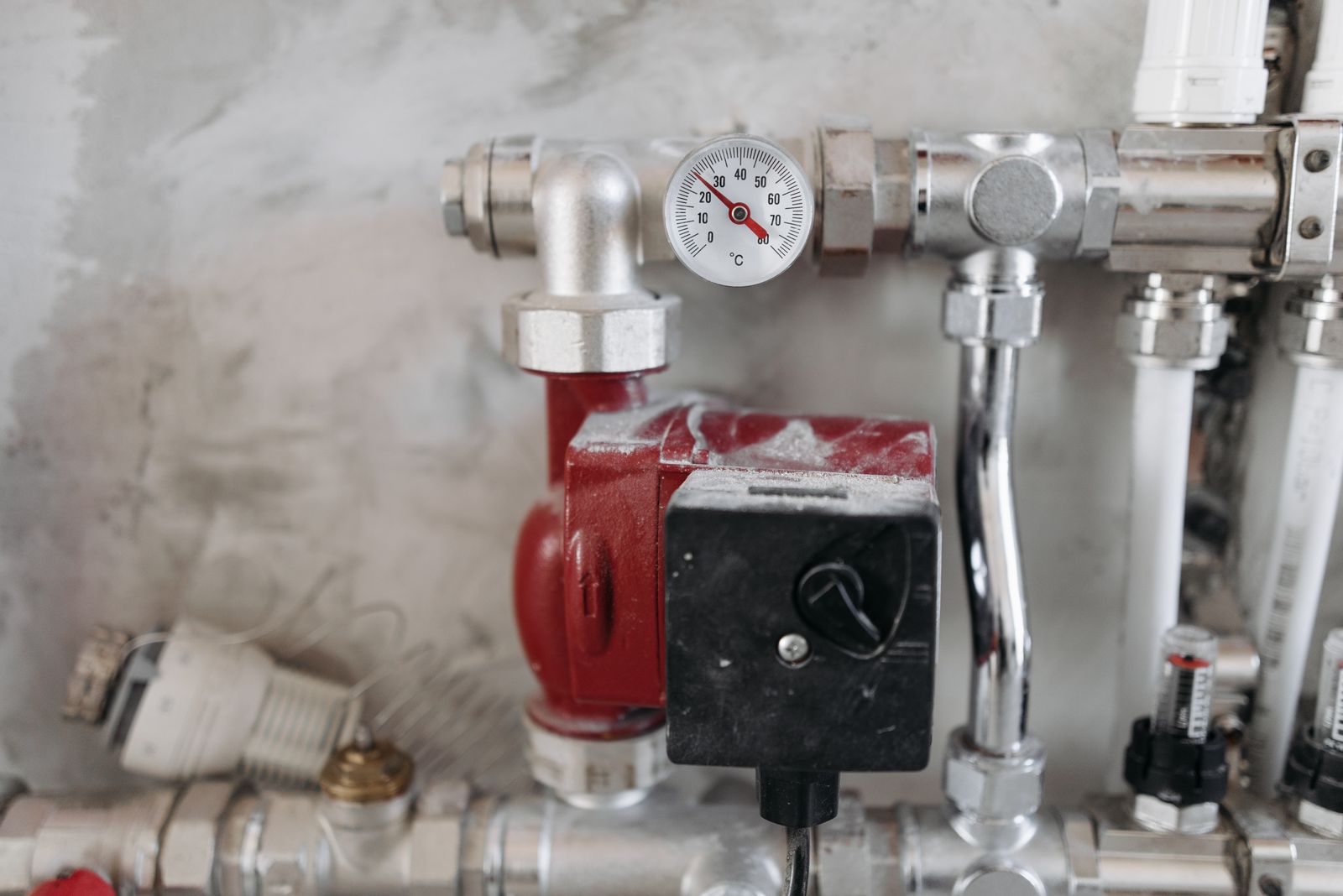
We tell you if it’s really leaking, before anyone empties the pool.

Pool losing more than it should?
Send us your top-up frequency and we’ll advise whether it’s worth a leak survey and quote it properly for your pool.