

How we find a leak without finding trouble.
No single instrument finds every leak. We carry several, and we cross-check them against each other until the source is beyond doubt, so the floor only comes up once, in exactly the right place.
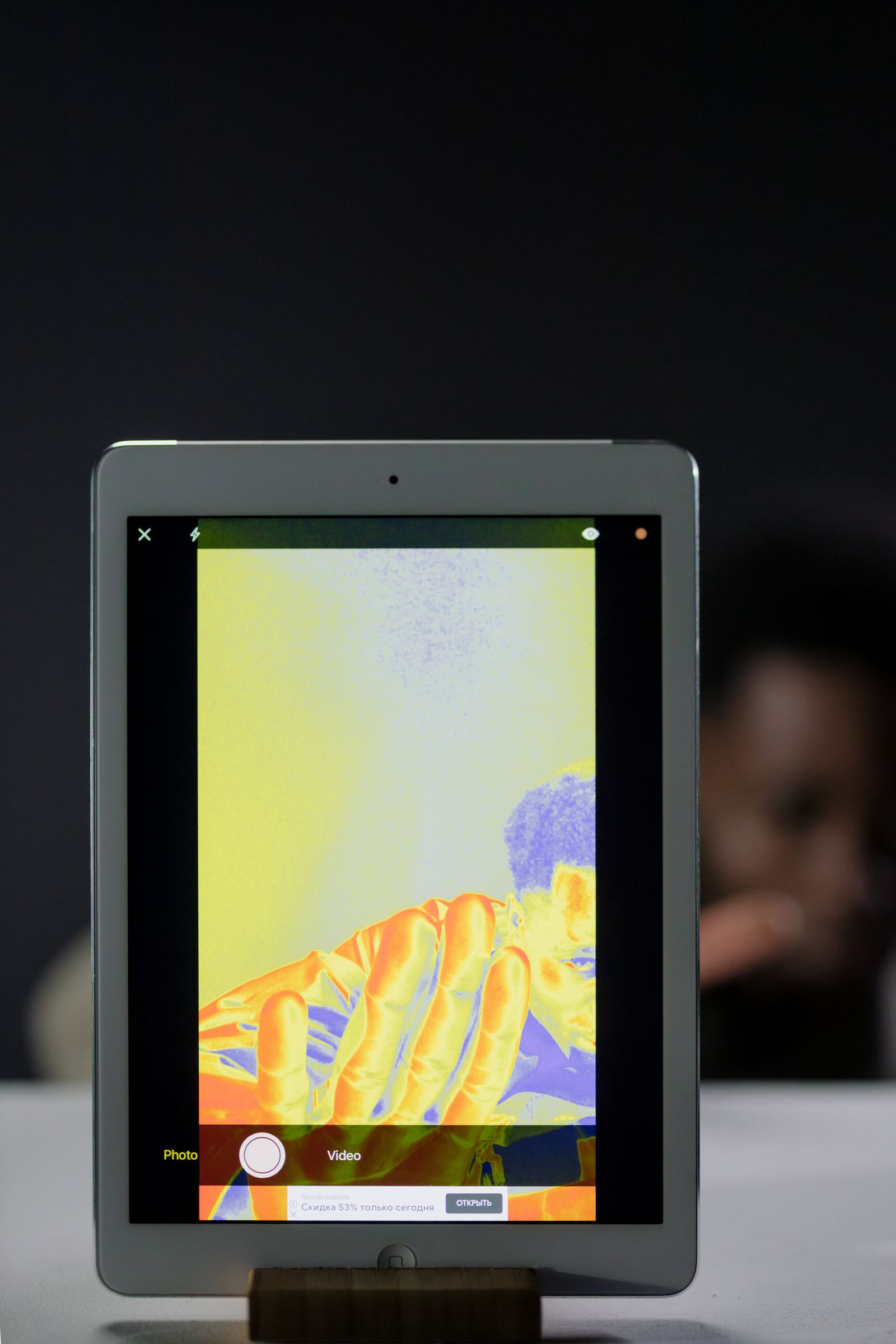
Five methods, one verdict.
Each technique sees something the others can’t. Used together, they turn a vague “somewhere around here” into a marked spot you can trust.
Thermal imaging
A thermal camera reads the temperature difference a leak creates through floors, walls and screed, mapping hot heating pipes and cool damp patches without contact.
Acoustic detection
Sensitive ground microphones and listening sticks pick up the hiss of water escaping a pressurised pipe, even a metre down under concrete.
Tracer gas
A safe hydrogen/nitrogen mix is introduced into a drained pipe; it rises through the structure at the leak, where a probe detects it precisely at the surface.
Moisture mapping
Calibrated meters grid out where moisture actually is, separating a live leak from old staining, condensation or rising damp.
Pressure testing
Isolating and pressurising a circuit proves whether it’s losing water at all, and which system, supply, heating or waste is at fault.
Dye & bucket testing
For pools and standing water, dye highlights the flow path and a bucket test separates true leakage from evaporation.
One reading is a clue. Three is a location.
Thermal might show a warm zone, acoustic might suggest a hiss nearby, moisture might peak two tiles over. On their own, each is a guess. Where they agree is the leak and that’s the only spot we mark.
- No single-method calls we confirm before we commit.
- Marked to ±0.1 m so one precise opening does it.
- Evidence captured live readings and stills taken on the day.
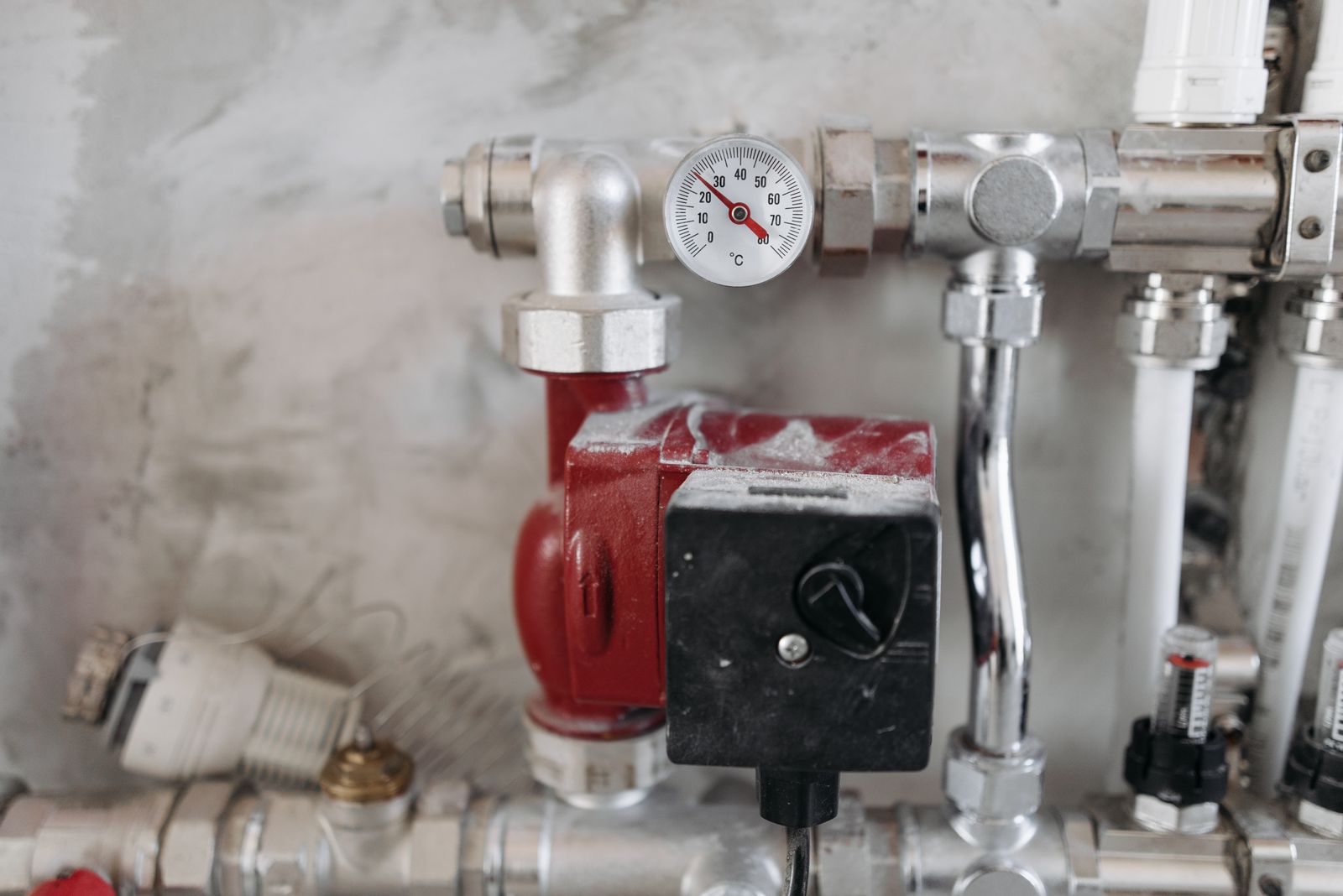 Cross-checking pressure against thermal findings
Non-destructive by default.
“Exploratory work” lifting floors to look, is exactly what good detection avoids. Every method here reads through the structure first. We only open up once we can point to the spot.
Read through, don't dig through
Thermal, acoustic and tracer techniques find the source without removing a single tile of flooring on a hunch.
Confirm with a second method
Nothing gets marked on one instrument alone, agreement between techniques is what gives us a precise location.
Open once, in the right place
The result: a single, minimal opening at the confirmed point, not a room stripped back in the hope of getting lucky.

Want this run on your leak?
Tell us what you’re seeing and we’ll bring the right methods to your door and only open up once we can point to the spot.