

Losing boiler pressure? We find the joint that's failing.
A pressure gauge that keeps dropping with no puddle to show for it, is the most common call we get. The water is escaping inside the circuit, often under a floor. We find exactly where, and lift one tile, not the whole room.
Book a survey
Complete the form below and we will get back to you.
No call centres — you'll hear back from the engineer.
The tell-tale signs on a heating circuit.
Heating leaks rarely show as water. They show as pressure, temperature and noise. If any of these sound familiar, it’s worth a survey before the leak finds your ceiling.
Pressure keeps dropping
You top the boiler back up to 1.5 bar and within days it’s fallen again, a classic sign of a slow leak on the sealed circuit.
A warm patch on the floor
An unexplained warm area underfoot often means a hot pipe or underfloor loop is weeping beneath the screed.
Radiators slow to heat
Air drawn in at a leak point leaves radiators cold at the top and the system needing constant bleeding.
Damp near the boiler or manifold
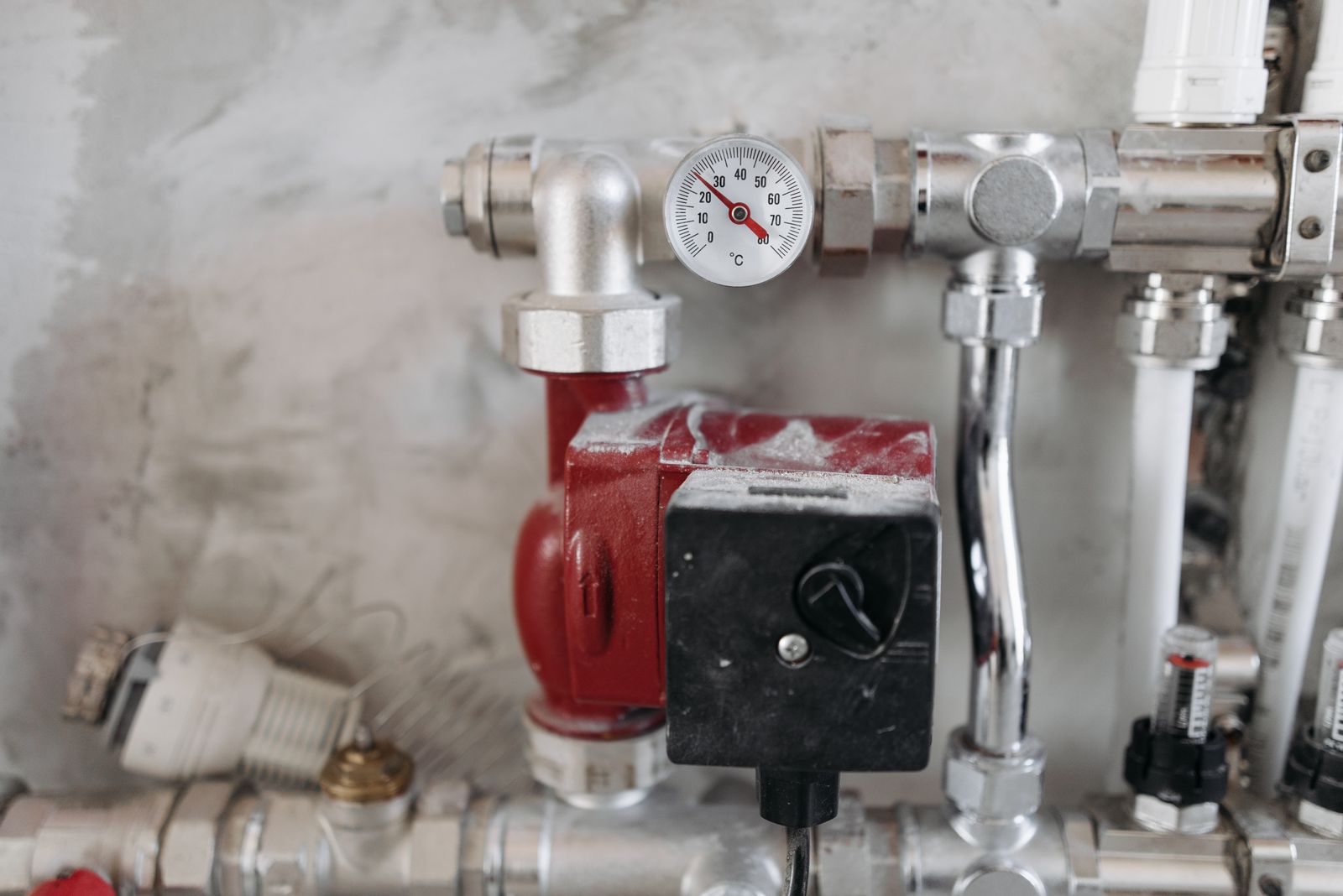
Staining around the boiler, pump or underfloor manifold points to a fitting that’s started to seep under pressure.
Ticking or trickling pipes
A faint trickle when the heating is off, or ticking as the system loses and regains pressure, can betray a hidden escape.
Inhibitor disappearing
If your system keeps needing fresh inhibitor and water, that volume is going somewhere, usually a joint you can’t see.
Pinpointed within the circuit.
We isolate the heating system, prove the loss, then trace it to a single joint, reading through screed and floorboards rather than lifting them.
Confirm it's the heating
We isolate the sealed circuit and run a pressure test to prove the leak is on the heating side, not the supply, not condensation.
Map the run
Thermal imaging traces hot pipework under floors and screed, narrowing the search to a metre or two without a single hole.
Pinpoint the joint
Where needed we introduce tracer gas into the drained circuit and detect it at the surface, marking the failing fitting to the exact spot.
Report within 48 hours
Cause, location, thermal evidence and a repair recommendation, ready for your plumber or your insurer.
 Locating an underfloor heating loop
Underfloor leaks, without lifting the floor.
A buried UFH loop under tile or engineered timber is exactly the situation people fear, the floor is the expensive part. Thermal imaging lets us read the loop layout and find the cold break or the weeping fitting before anything is disturbed.
- Loop-by-loop diagnosis we identify which circuit has failed, not just the room.
- One opening, not a rip-out the source marked so a single section is exposed.
- Manifold & actuator checks many apparent underfloor leaks are actually at the manifold.

The gentleman that came today to find my leak and fix it were very friendly and explained everything they were going to do. They showed me where the issue was and fixed it in a timely fashion. Would h…

I called Leapfrog leak detection to source a leak which was causing me massive problems. Stuart identified the source of the leak very quickly and used non invasive methods which was a godsend. I can’…

Thanks again for coming to find our leak. Found it, solved it. Polite, kept us informed, good communicator, highly recommended.
Central-heating leak questions, answered.
Why does my boiler pressure keep dropping when I cannot see a leak?
On a sealed heating system, repeated pressure loss can mean water is escaping from buried pipework, a radiator connection, the boiler or an underfloor-heating manifold. We isolate and pressure-test the circuit to establish whether there is a genuine leak before tracing it.
Can you tell whether the problem is the boiler or the heating pipework?
Yes. We isolate the sealed heating circuit and test it separately from the mains and other water services. This helps distinguish a buried pipe or joint failure from a boiler component, pressure-relief issue or another source of water loss.
Can you find a leak beneath tiles, screed or floorboards?
Yes. Thermal imaging maps the heating run through the floor, and tracer gas can be introduced into a drained circuit where a more precise confirmation is needed. The aim is to mark one localised access point before any floor finish is lifted.
Can you test underfloor heating loop by loop?
Yes. We can check the manifold and isolate individual loops to identify which circuit is losing pressure. Many apparent underfloor leaks turn out to be at a manifold or fitting, so those accessible points are checked before the floor is considered.
How long does a heating leak survey take and what does it cost?
Heating leak surveys start from £450 for a four-hour minimum visit. That is usually enough to isolate, test, locate and document a domestic heating leak in one visit. We agree the price before attending and explain if the system needs more extensive testing.
Do you repair the heating leak after locating it?
Our specialist role is to locate the failure, create agreed local access where required and document the repair scope. The plumbing repair is normally completed by your heating engineer or insurer’s contractor, using the marked location and report.
Will I receive a report for my insurer or heating engineer?
Yes. You receive the confirmed location, likely cause, thermal or tracer evidence and a clear repair recommendation within 48 hours. It is suitable for a heating engineer and designed to support a trace-and-access claim, subject to your policy.
Where do you cover and how soon can you attend?
We cover Hertfordshire, Essex, London and surrounding counties. Most surveys are booked within two working days, subject to location and availability, and the engineer will come back to you the same working day with a clear price.
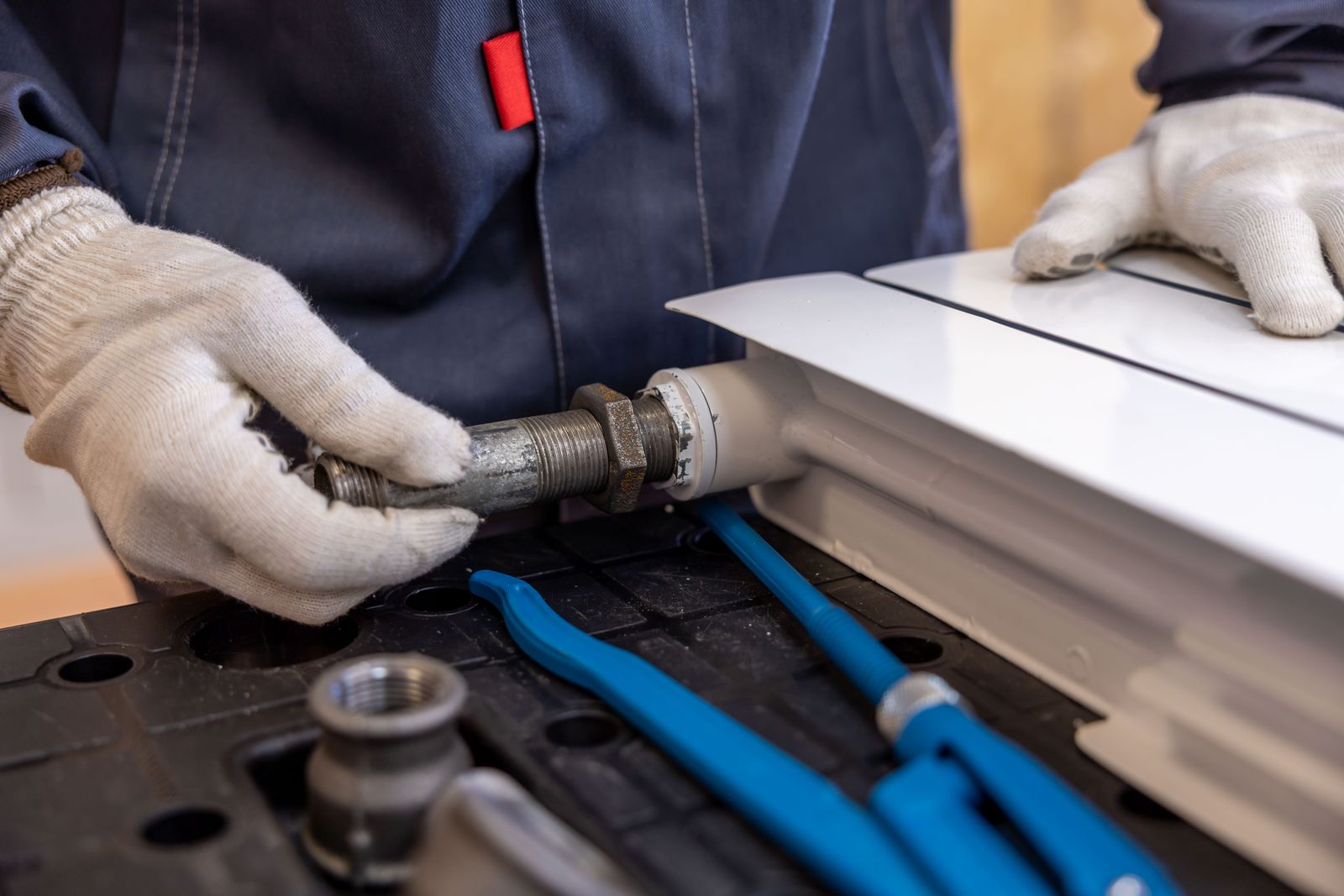
The failing point found before the floor comes up.
Clear pricing, recoverable on most claims.
Heating leak surveys start from £450 for a four-hour minimum visit, usually enough to locate and document the leak in one go. Most domestic work is recoverable through your buildings insurance.
Across Hertfordshire & London.
Based in Hertfordshire and on the road across London and surrounding counties. Most surveys are booked within two working days.

Boiler pressure dropping again?
Tell us what the gauge is doing and we’ll come back the same working day with an honest answer and a clear price.